

Skip to content

CDL Tribal Justice

Promoting Public Safety Through Education

National Judicial College Logo
  • Educational Video
  • Webcast
  • Benchcard
  • Other Resources
  • Educational Video
  • Webcast
  • Benchcard
  • Other Resources

Welcome!

Where can we direct you for the information that you need?

View Our Video
View the Webcast
View the Benchcard
Explore Other Resources
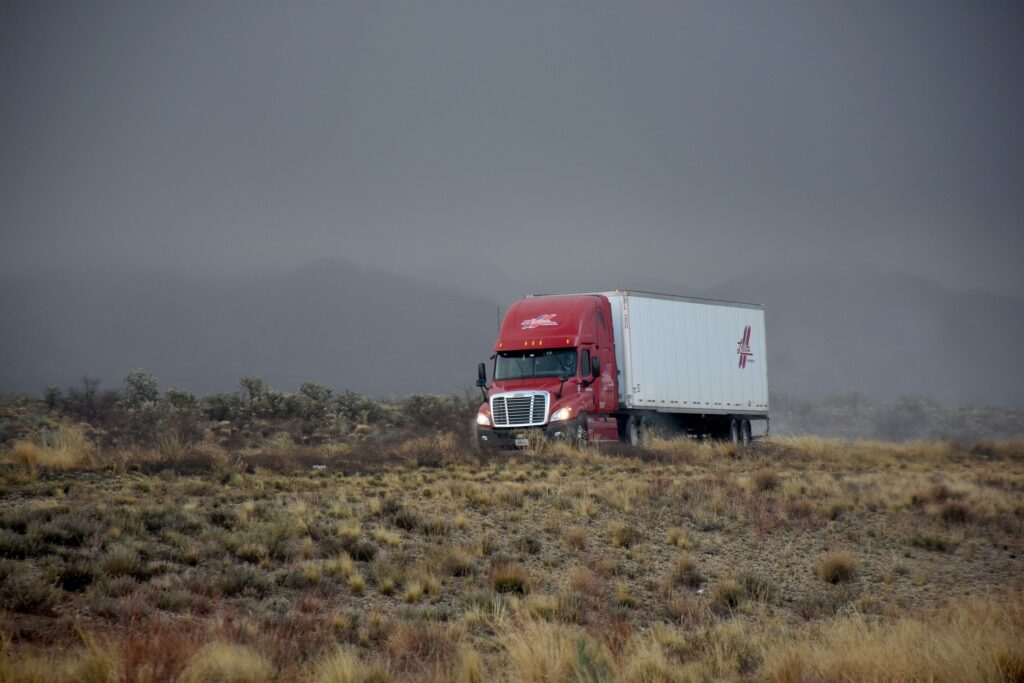
Semi trucks on the highway

educational video

Tribal Traffic Regulation and Community Safety

Indian tribes are sovereign nations and have the right to govern their land. The roadways that cross their lands carry people into their nations. These in-between spaces can become a stage for contention, but they also represent a chance for cooperation. Federal litigation has at times stood in defiance of tribal sovereignty. In many ways it still does. This video talks about the real and present opportunities for tribal judges to impact the health and safety of tribal communities.

Webcast

cdl safety in indian country interactive webcast

On May 4, 2022, the National Judicial College held a webcast with FMCSA representative, Jerry Calderon, and esteemed faculty members, Judges Jan Morris and Gayle Williams-Byers. This webcast has since been converted into an interactive learning experience through PlayPosit.

Watch Webcast >

benchcard

learn how to avoid gaps in jurisdiction

Explore how to control the conduct of individuals on our territory. The bench cards are designed to help you examine your cases and provide you with guidance and information. Read the bench cards to help you navigate your CDL case.
View Benchcard >

other resources

Self Study Course about Adjudicating CDL/CMV cases in Indian Country

Learners will need an NJC On-Demand account to access this course, but can easily get one by emailing Elizabeth at [email protected]
View Course >

Lifetime CDL Disqualification for a conviction of human trafficking in a CMV

The Human Trafficking Primer highlights the importance of enforcing lifetime CDL disqualification for severe human trafficking convictions to protect victims and safeguard the integrity of the transportation system. Funded by FMCSA and developed in partnership with NJC, NCSC, NDAA, AAMVA, and CVSA, the primer provides practical guidance to ensure offenders are properly reported, sanctioned, and prohibited from operating CMVs.
Click Here to Access Primer

Tribal Enforcement and Adjudicatory Jurisdiction Over Commercial Motor Vehicles Operating on Roadways and Rights-Of-Way in Indian Country

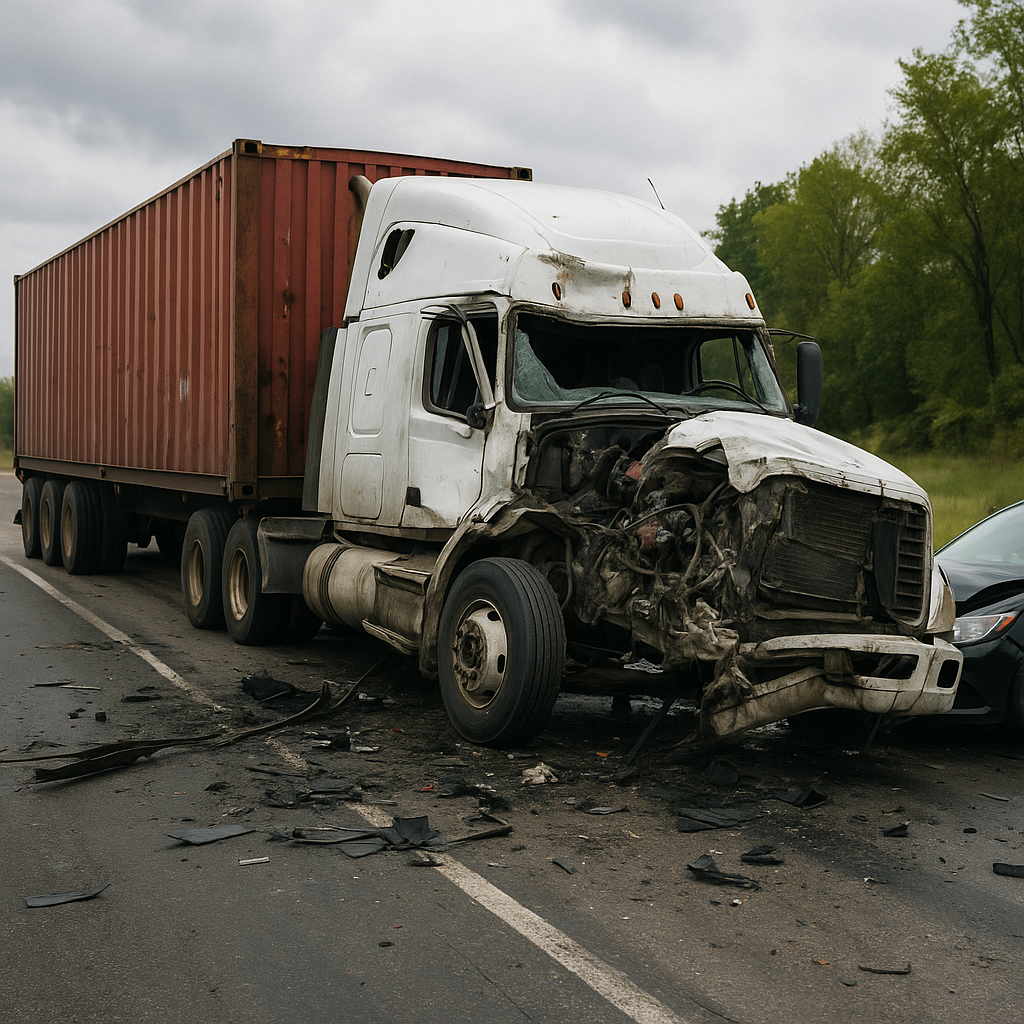
By Hon. Jan W. Morris (Ret.) EXECUTIVE SUMMARY There are more than 164,000 miles of roadways within Indian country, including rights-of-way for rural state and interstate highways. Annually more than 500,000 crashes involve a large truck or bus. The majority of nearly 4,500 fatal crashes involving large trucks occur in rural areas. The threat posed by unsafe commercial vehicles and non-Indian operators to the health and welfare of the tribe as well as the safety of all motorists supports the authority of Indian tribes to enact, enforce, and adjudicate commercial motor vehicle and commercial driver’s license civil regulations over all roadways and rights-of-way within tribal lands where it is not uncommon for tribal law enforcement officers to have the primary patrol responsibility.
Click Here

CDL Tribal Toolkit

Get your frequently asked questions answered, including disqualification issues, driving privileges, and convictions.
View Toolkit >

Law Enforcement Survey

Take a minute to explore law enforcement’s views regarding commercial drivers’ licensing in Indian Country.
View Survey >

explore

Home

  • Educational Video
  • Webcast
  • Benchcard
  • Other Resources
  • Educational Video
  • Webcast
  • Benchcard
  • Other Resources

about njc

The National Judicial College (NJC) has worked with the Federal Motor Carrier Safety Administration (FMCSA) to reduce crashes, injuries, and fatalities involving large trucks and buses​ for 20 years​. The College has held CDL-related courses for thousands of attendees​ from all states.​​

disclaimer

This material is based upon work supported by the Federal Motor Carrier Safety Administration (FMCSA) under Grant No. FM-CDL-0322-18-01-00. The FMCSA is a component of the United States Department of Transportation. Any opinions, findings, and conclusions, or recommendations expressed in this publication are those of the authors, and they do not necessarily reflect the view of the FMCSA and/or the U.S. Department of Transportation.

Follow us
Facebook Twitter Youtube Linkedin

© 2026 The National Judicial College. All rights reserved.